
Home » Articles » Saving for Education

Saving for Education

by | Aug 25, 2016

Costs for continuing education have skyrocketed over the past several years, rising 40% in the past decade according to FINRA. In fact, based on that historical performance, ten years from now you can expect to pay over $62,000 for a four-year public college education, and most likely a considerably higher cost for a private university.

While this number seems daunting, the earlier you start saving for your child’s education, the greater chance you have of having enough put away to make a major dent in his or her college payments. Through smart planning choices and the rate of return you may get from investing appropriately, even a small amount put away each month can go a long way.

FINRA gives a great example here. If you save $200 per month at a 6% annual rate of return for your newborn child, you could have more than $76,000 for his retirement when he turns 18:
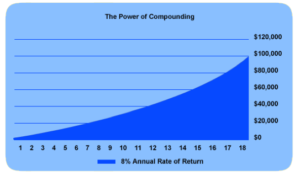
Education Planning Compounding

This example is for illustrative purposes only and the return is not indicative of any actual investment. Actual investment results may differ substantially.

When it comes to saving for your children’s or grandchildren’s education, the first thing you should always do it make an estimate and set a goal. When we work with our clients on their education savings plans, we usually ask the following questions:

  • How many children do you want to send to college?
  • Do you want to attempt to pay for college in full, or would you like your children to contribute to their own educations as well?
  • What other major life events do you need to save for?
  • How do your retirement savings accounts look?

While saving for college is important, we believe it should be just one element of a sound financial plan aimed at helping you achieve all of your financial goals, not just one. To learn more about how we help our clients create smart goals for their futures, please contact us. We’d love to hear from you!


Four Alternatives to Cash in Your Checking Account

When interest rates rose significantly in 2022, it changed the calculus for idle cash. Keeping large balances in checking for bill pay and convenience often means missing out on materially higher yields available elsewhere. Here are four practical, higher-yield...

Social Security: Exploring Your Options

In today’s world, filing for Social Security may seem like a standardized process.  Many people think that the day they qualify for benefits is the day they need to file.  However, you might want to think again.  The decision you make today might affect the benefits...

Building Your Wealth Bridge Book Cover
One of our advisors, George McCabe, CPA, wrote a guidebook for investors and other fellow financial advisors.

Download a free sample!
Book Sample Sidebar Form

Book a Call

Set up a meeting with our virtual family office to get a second opinion on financial planning needs.

Read More

When to Transfer Your Wealth

When to Transfer Your Wealth

Why Timing Your Wealth Transfer Matters One of the most important decisions affluent families face is when to transfer wealth to their children. Should you make gifts during your lifetime, or wait and leave assets as an inheritance? Each path carries distinct estate...

Three Reasons to Consider Anonymous Gifts

Three Reasons to Consider Anonymous Gifts

Anonymous charitable giving has risen over the past decade. For many donors—especially those with complex family, business, and community profiles—choosing to give without attribution can provide meaningful benefits. Below are three practical reasons to consider...

Medicare Plans

Medicare Plans

IS NOW THE TIME TO REVIEW YOUR MEDICARE PLANS?   When it comes to joining or switching Medicare plans, there are three different enrollment periods to consider:   Initial Enrollment Period (“IEP”)  When you first became eligible for joining a Medicare plan....